
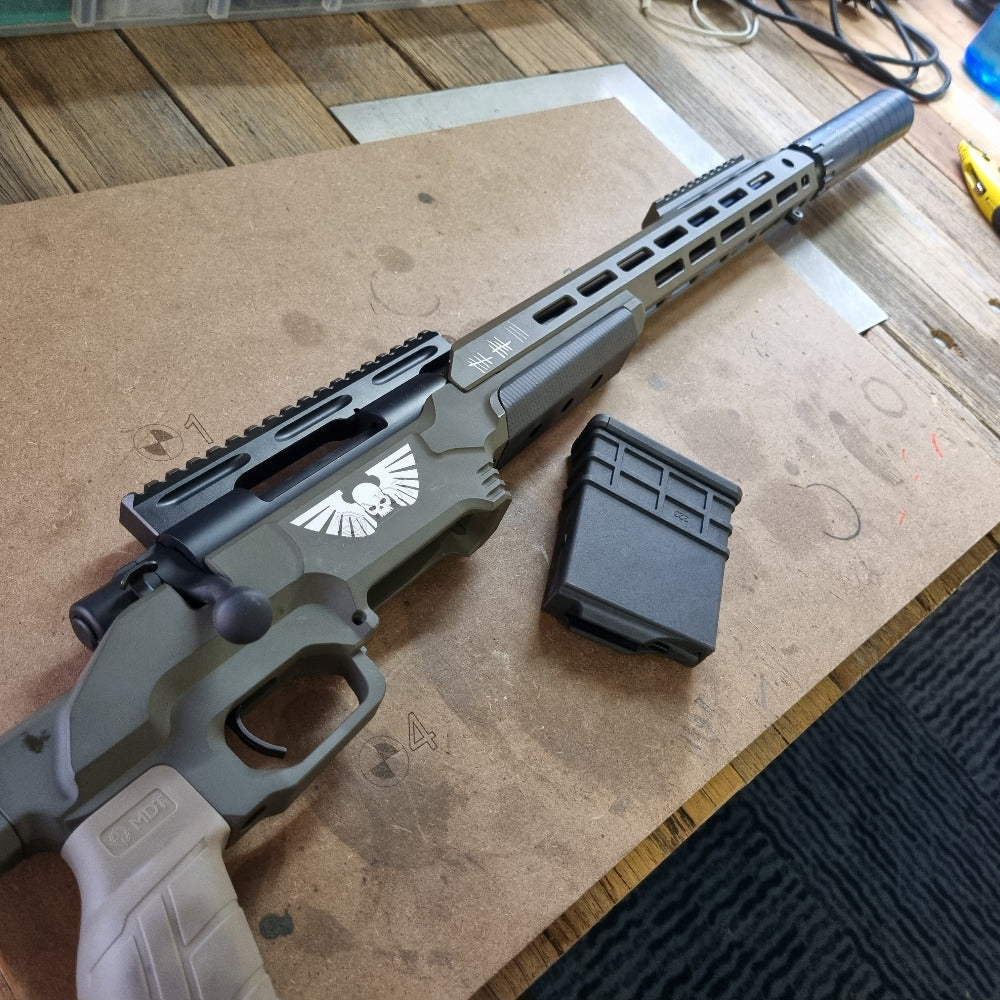
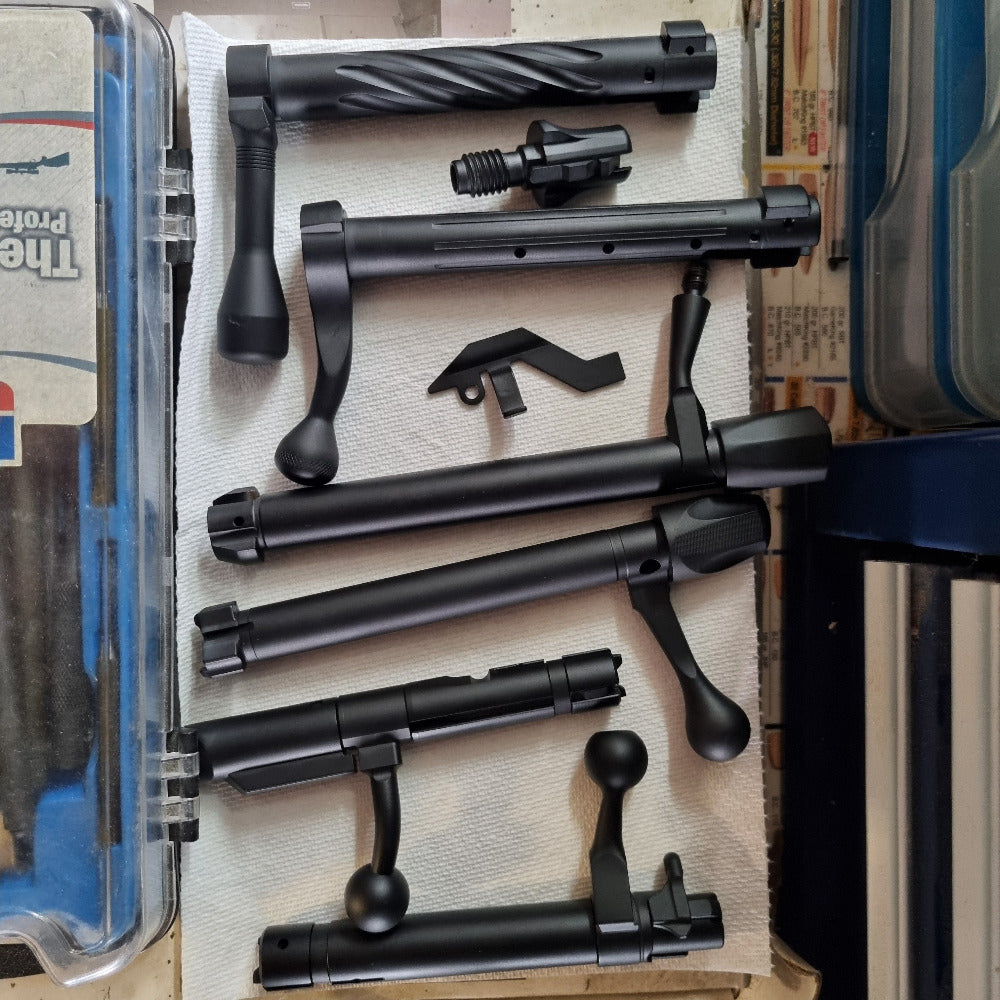
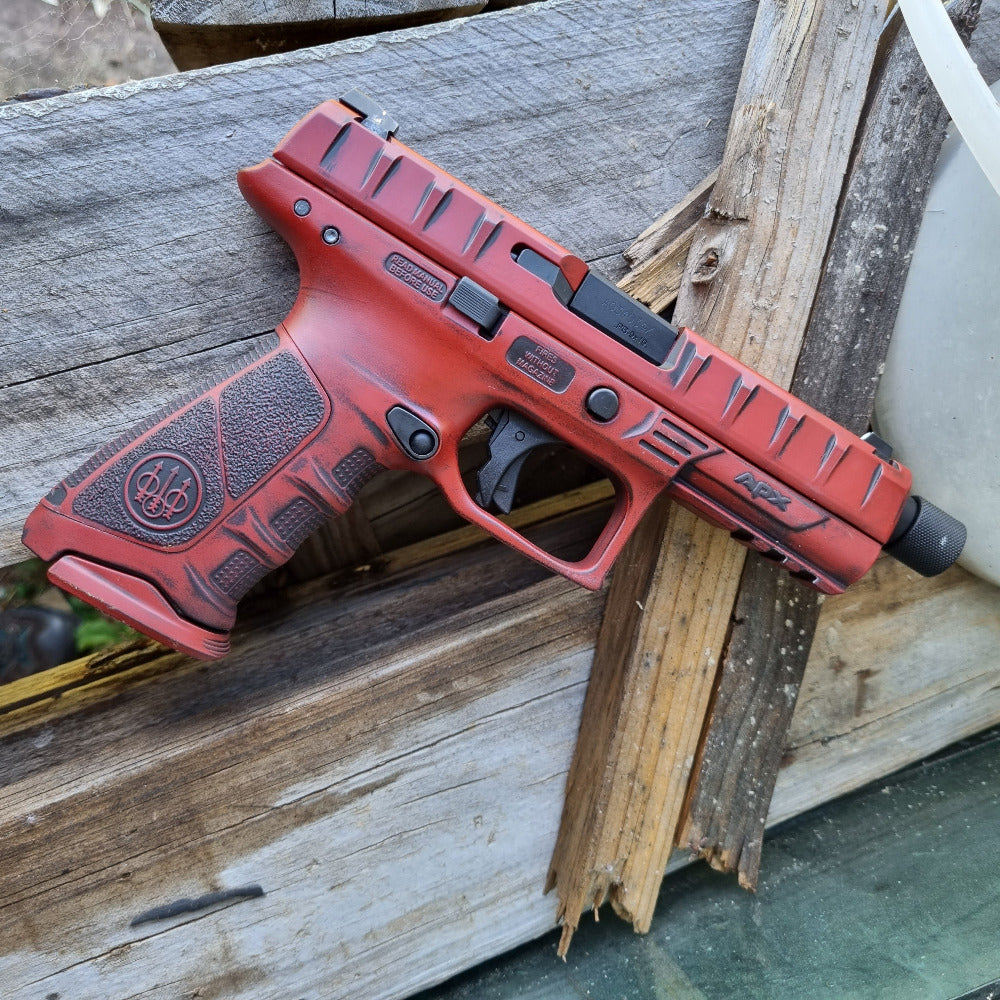
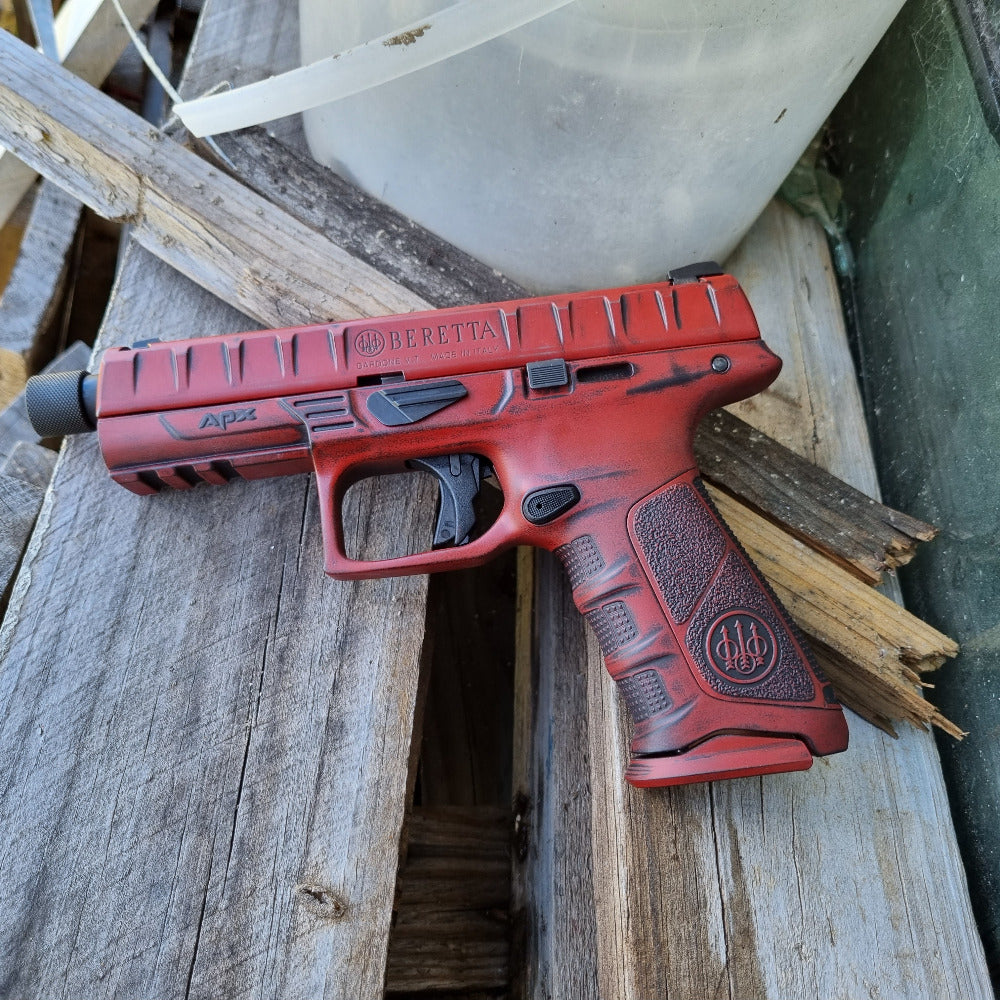
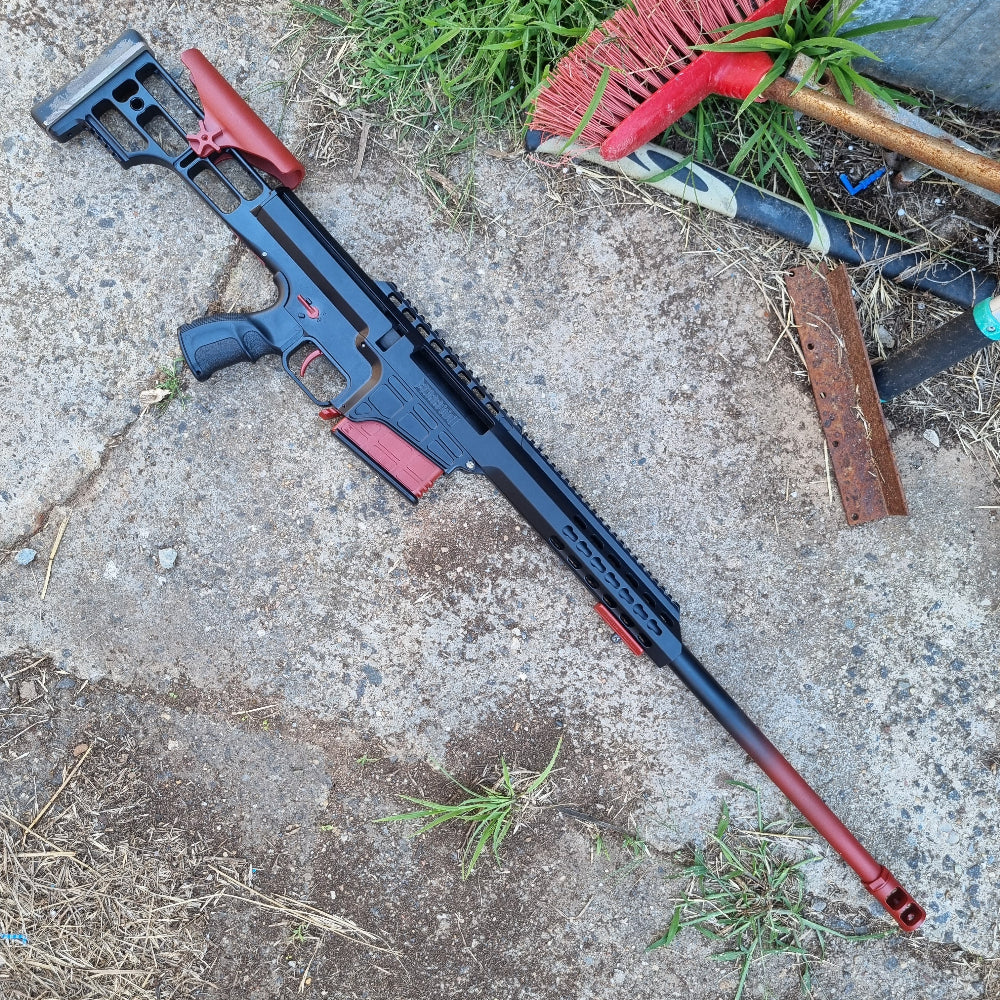

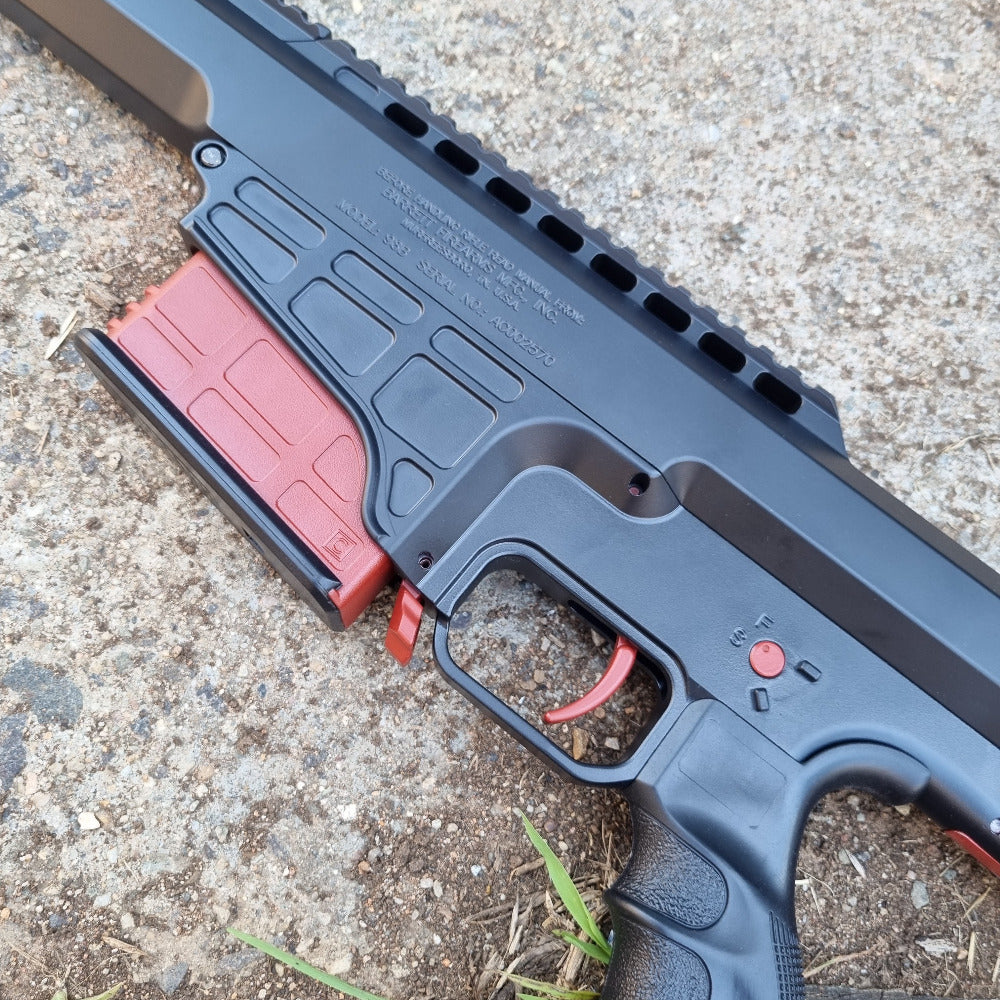
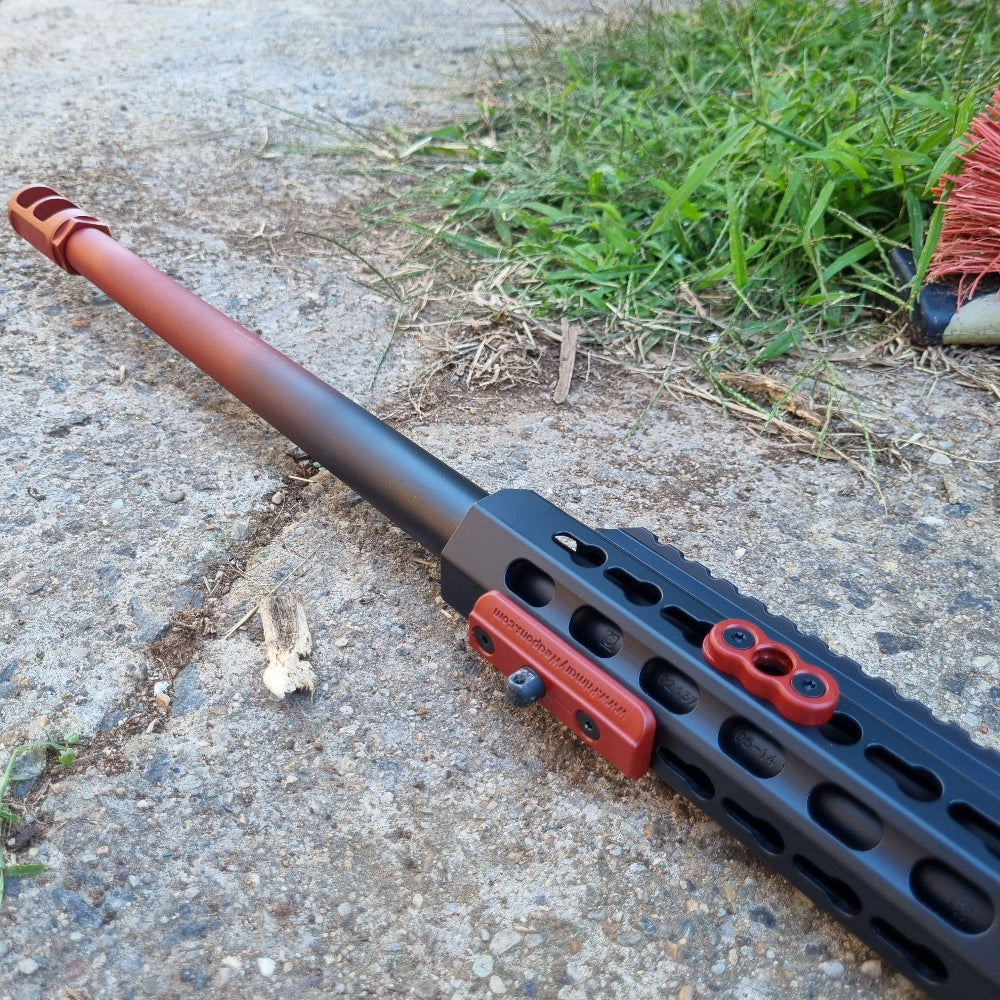
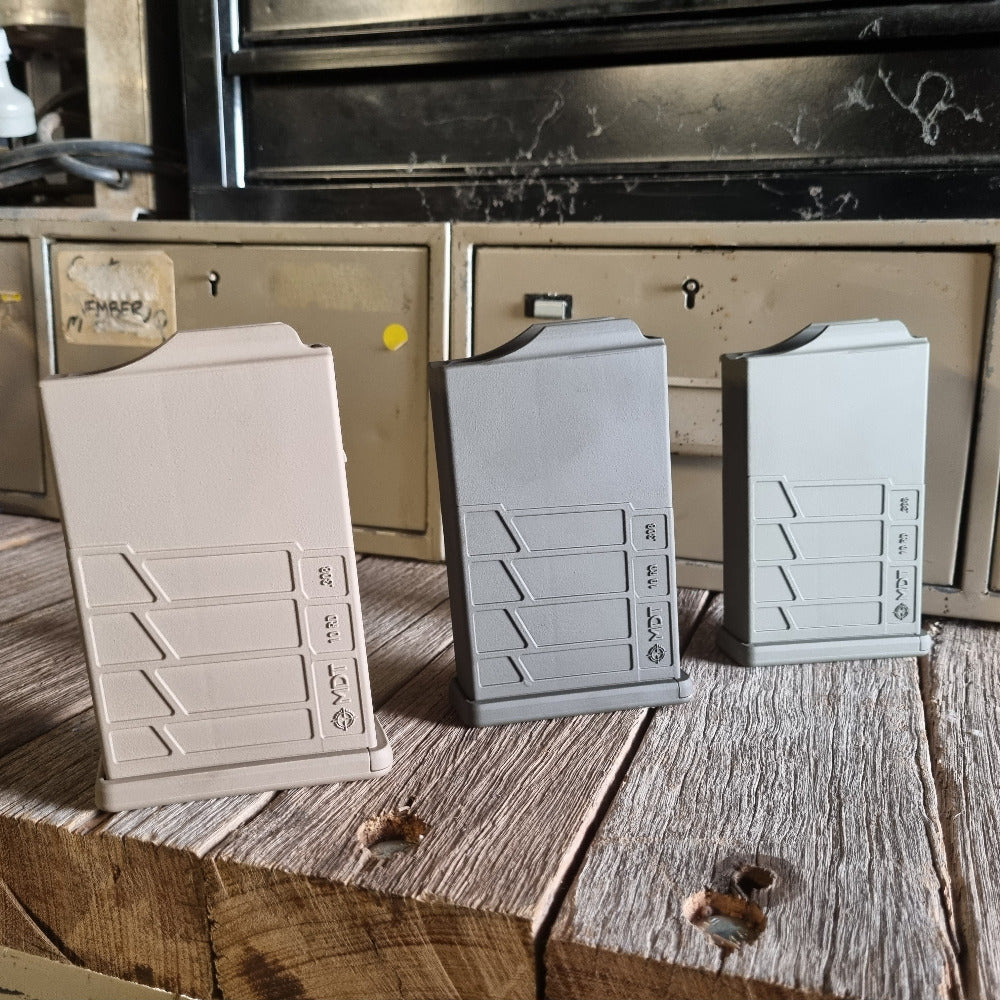
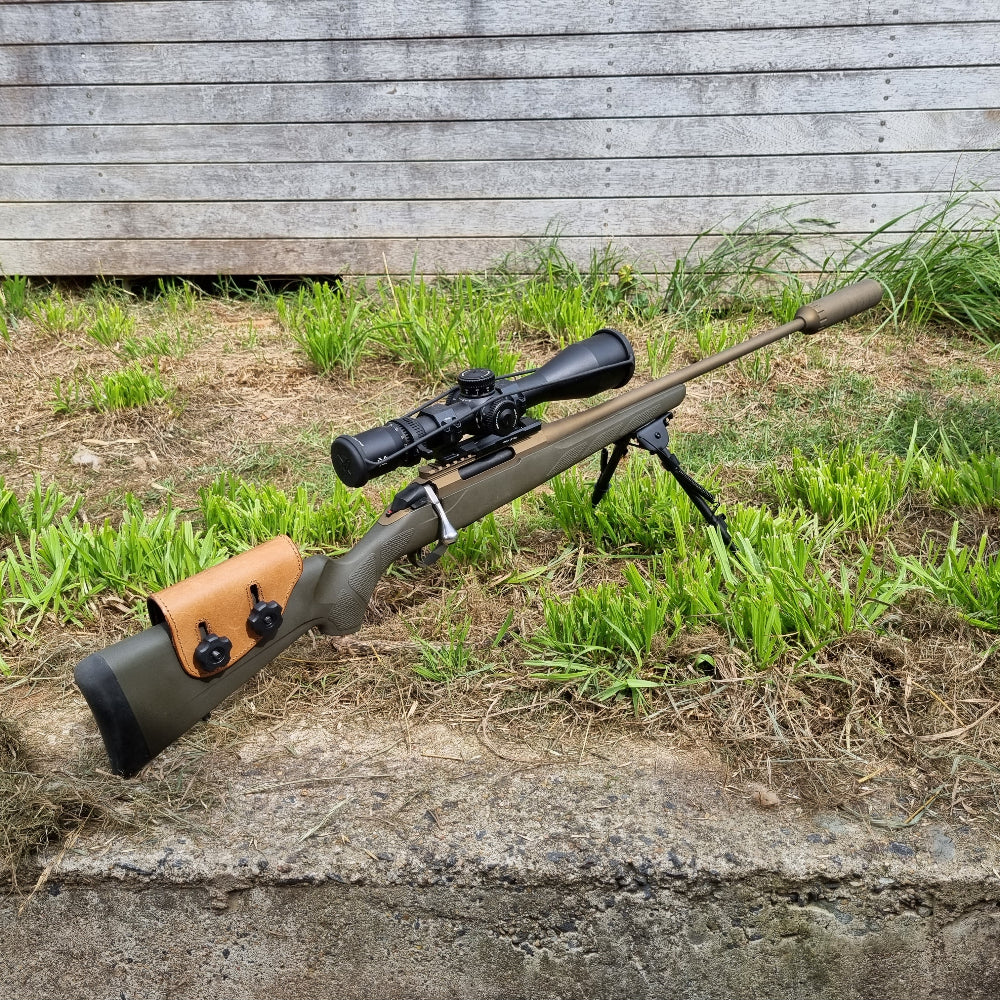
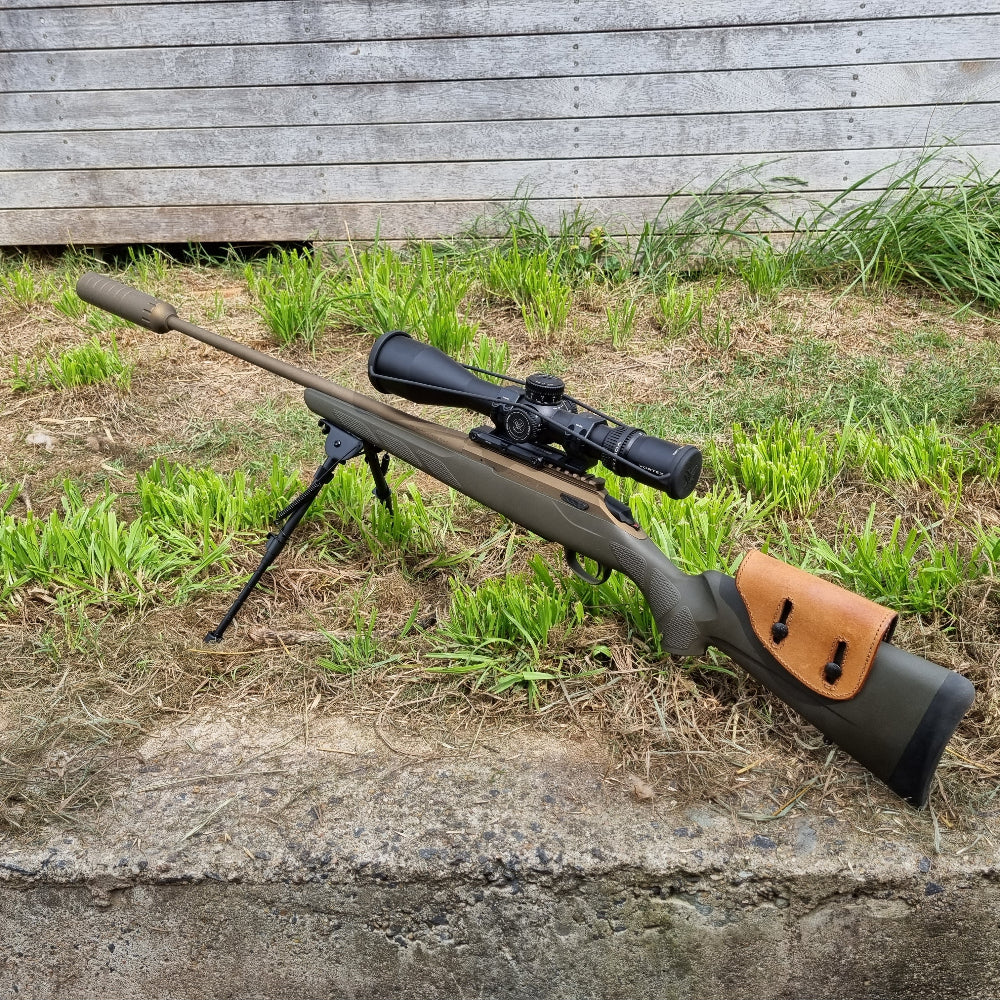
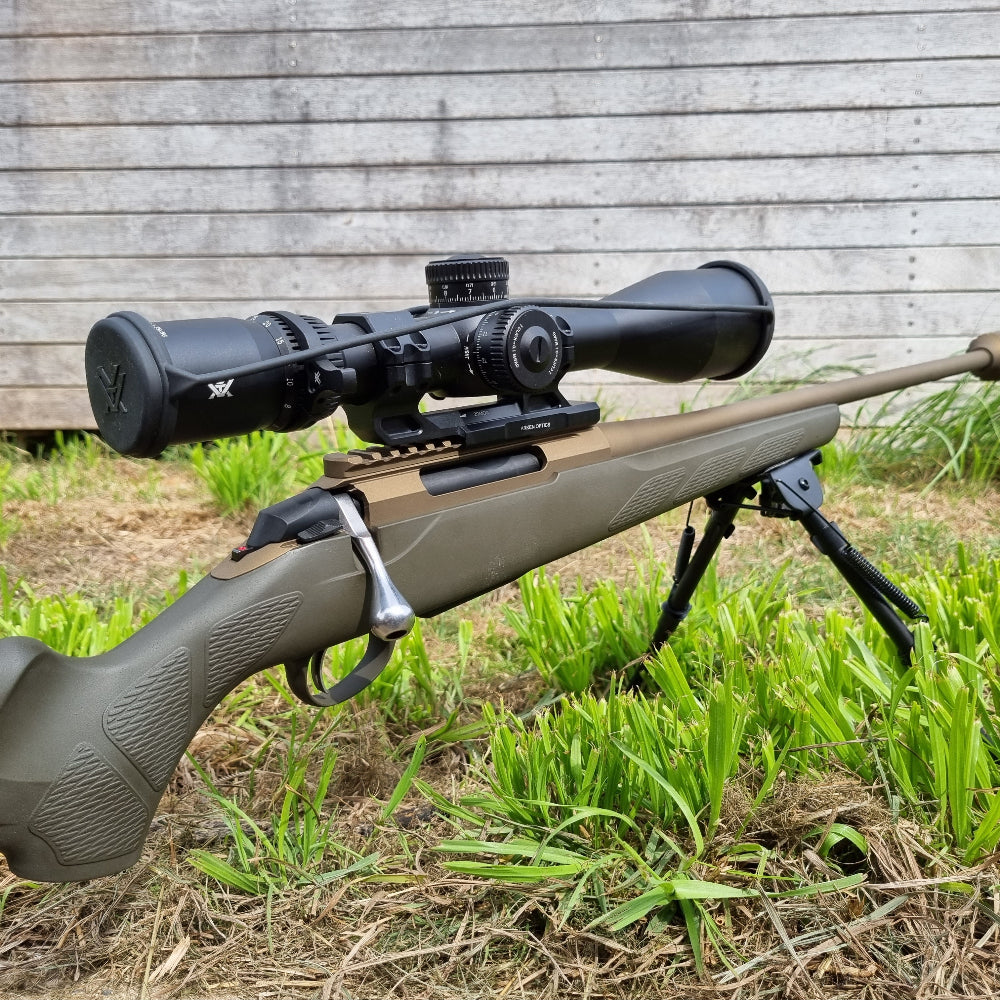
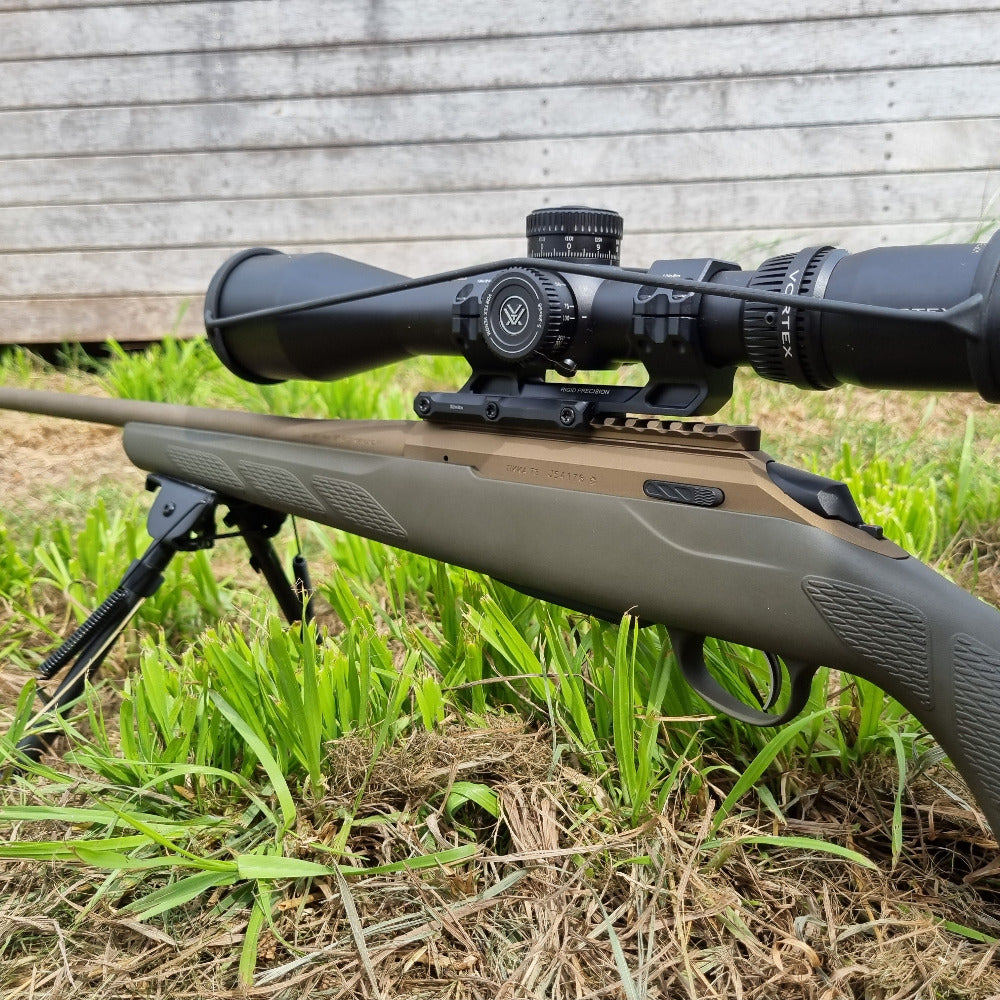
Cerakote
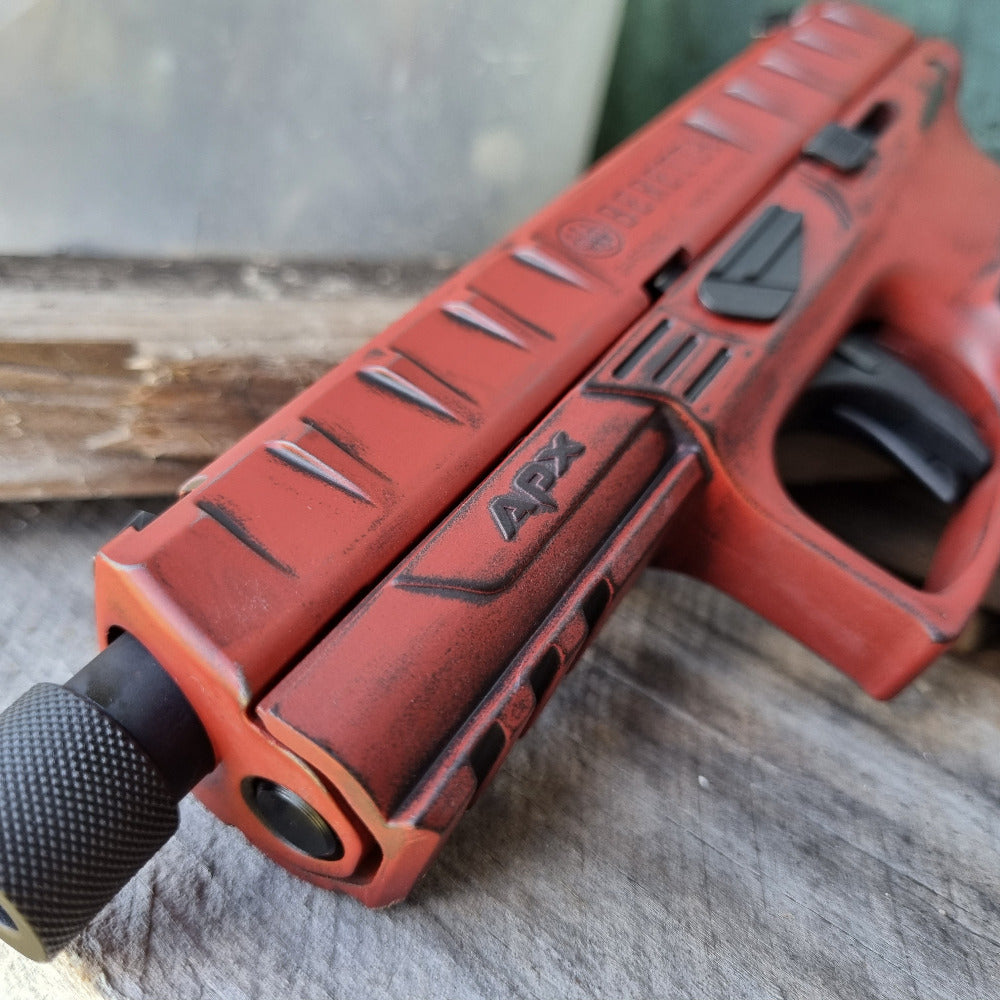
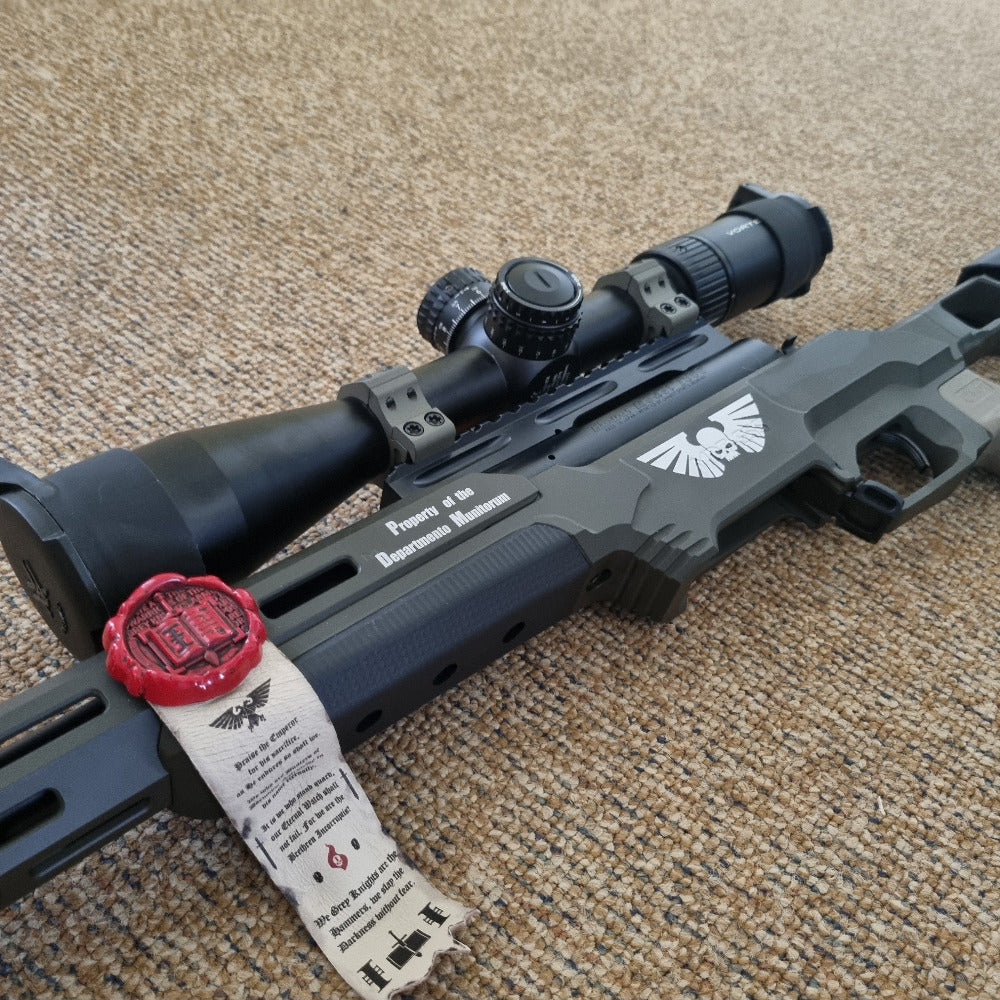
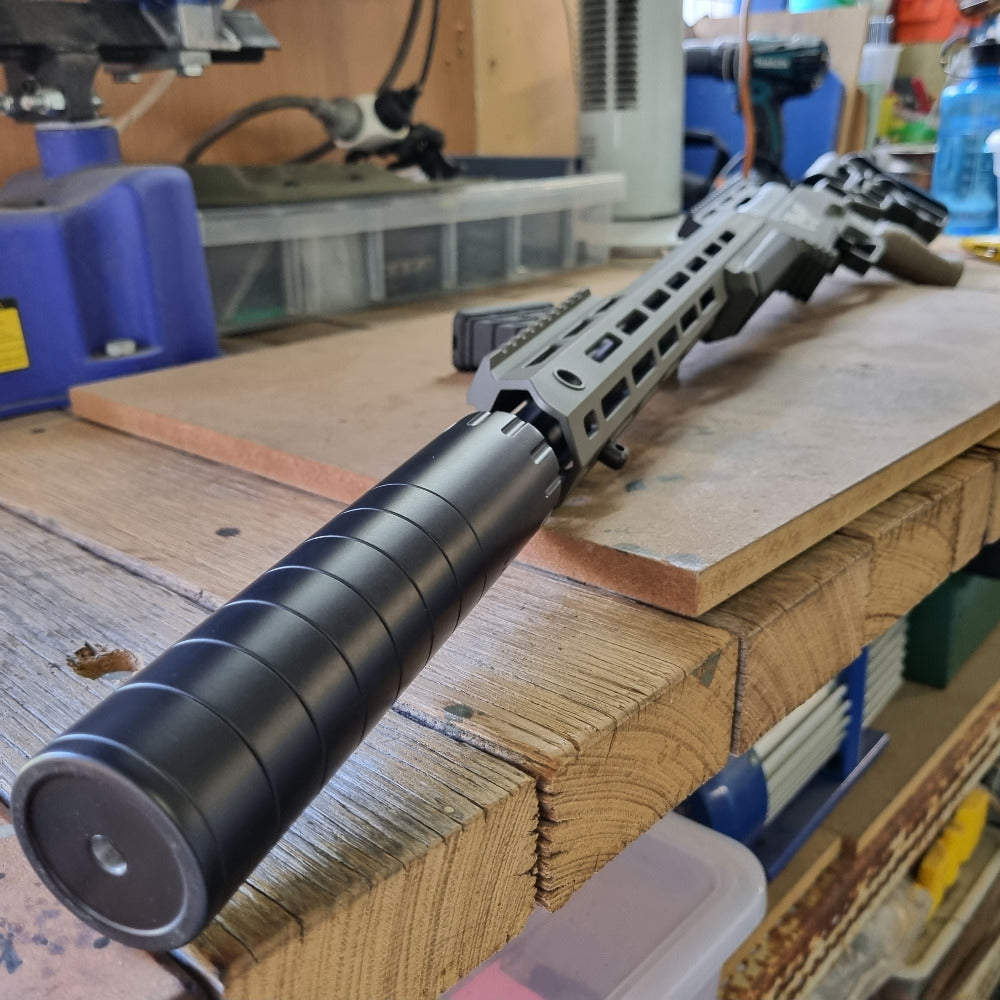
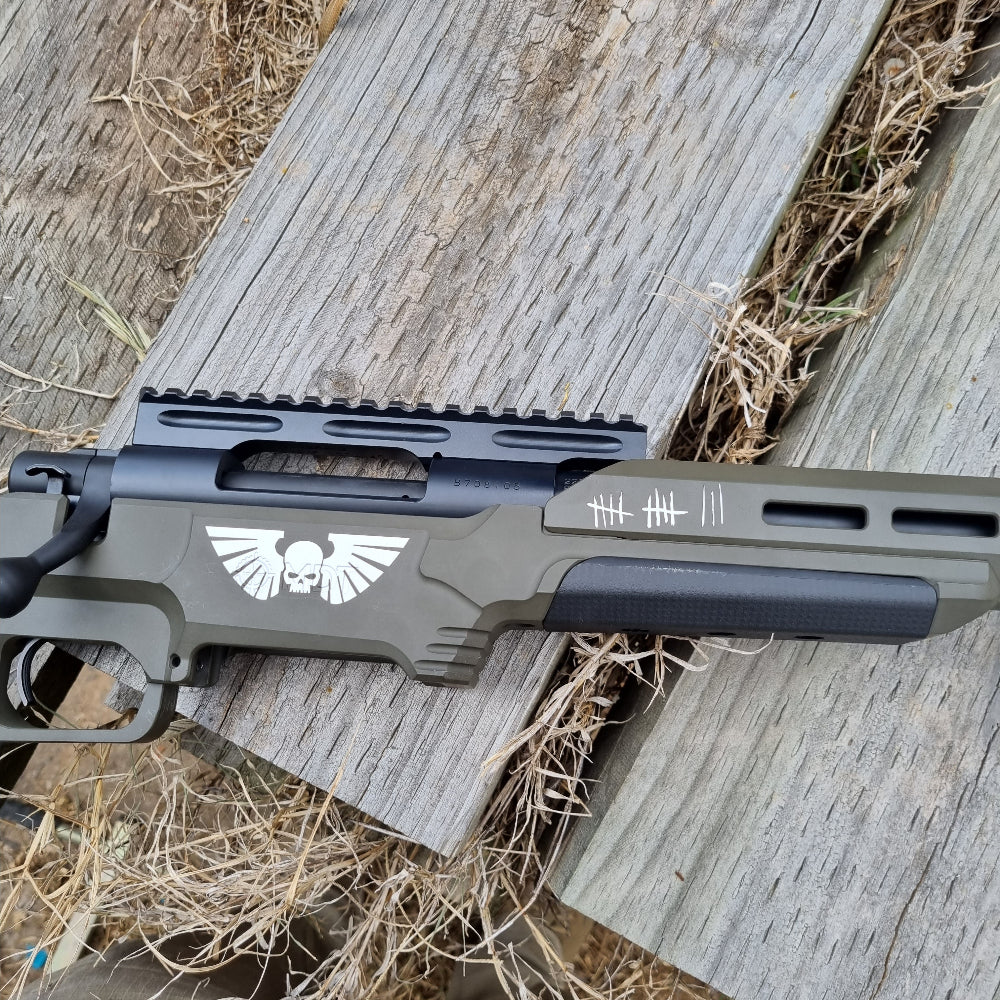
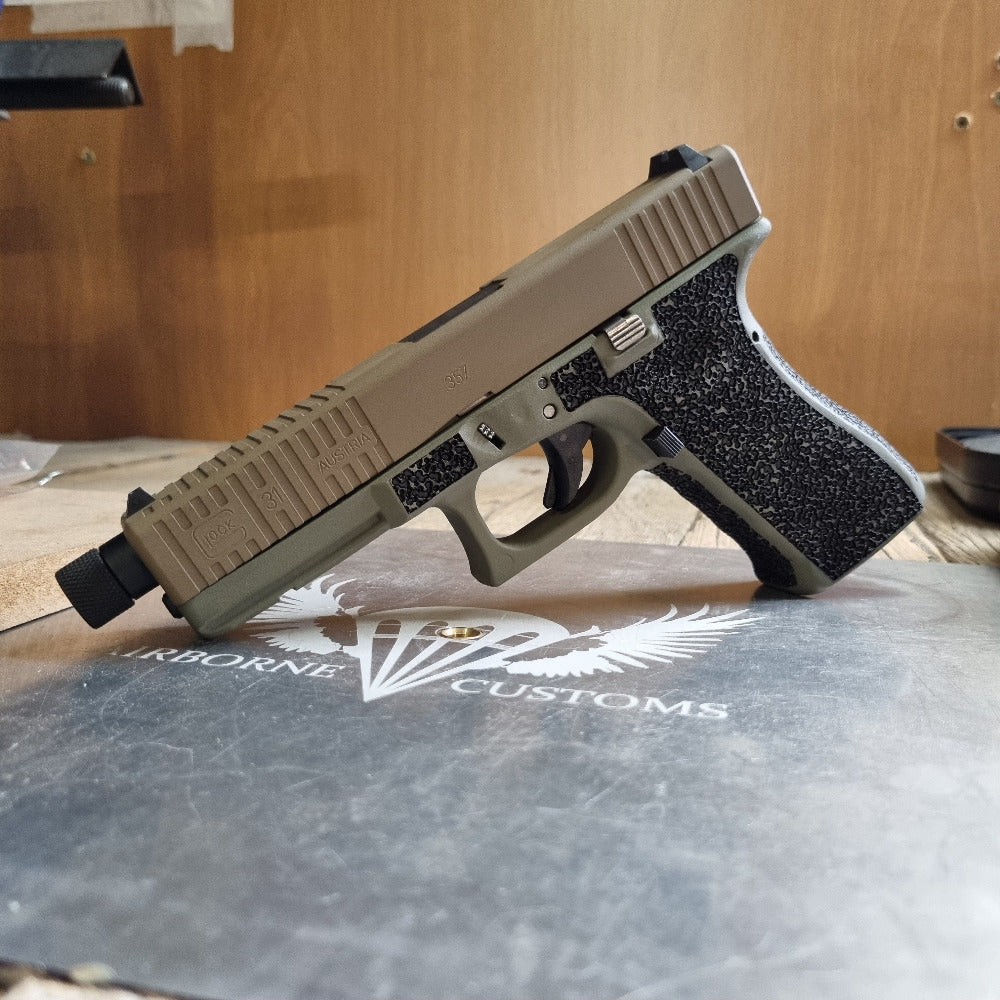
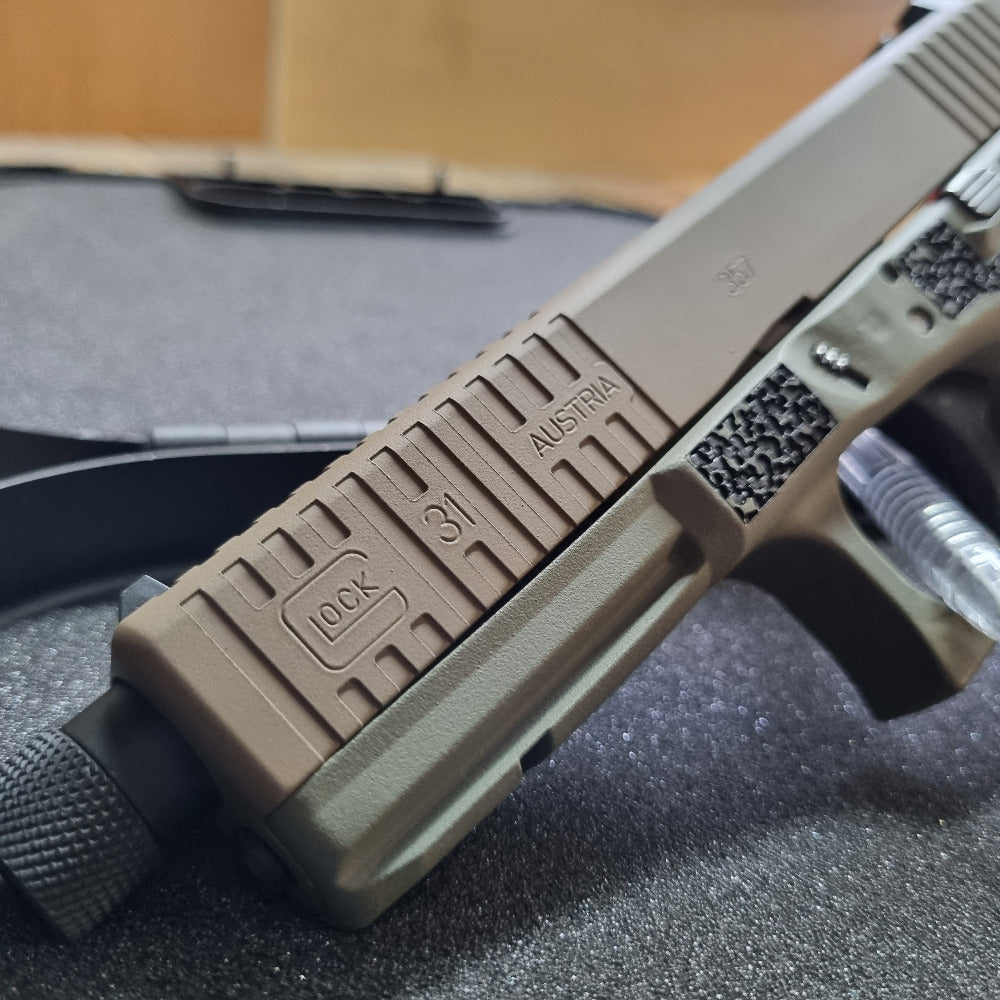
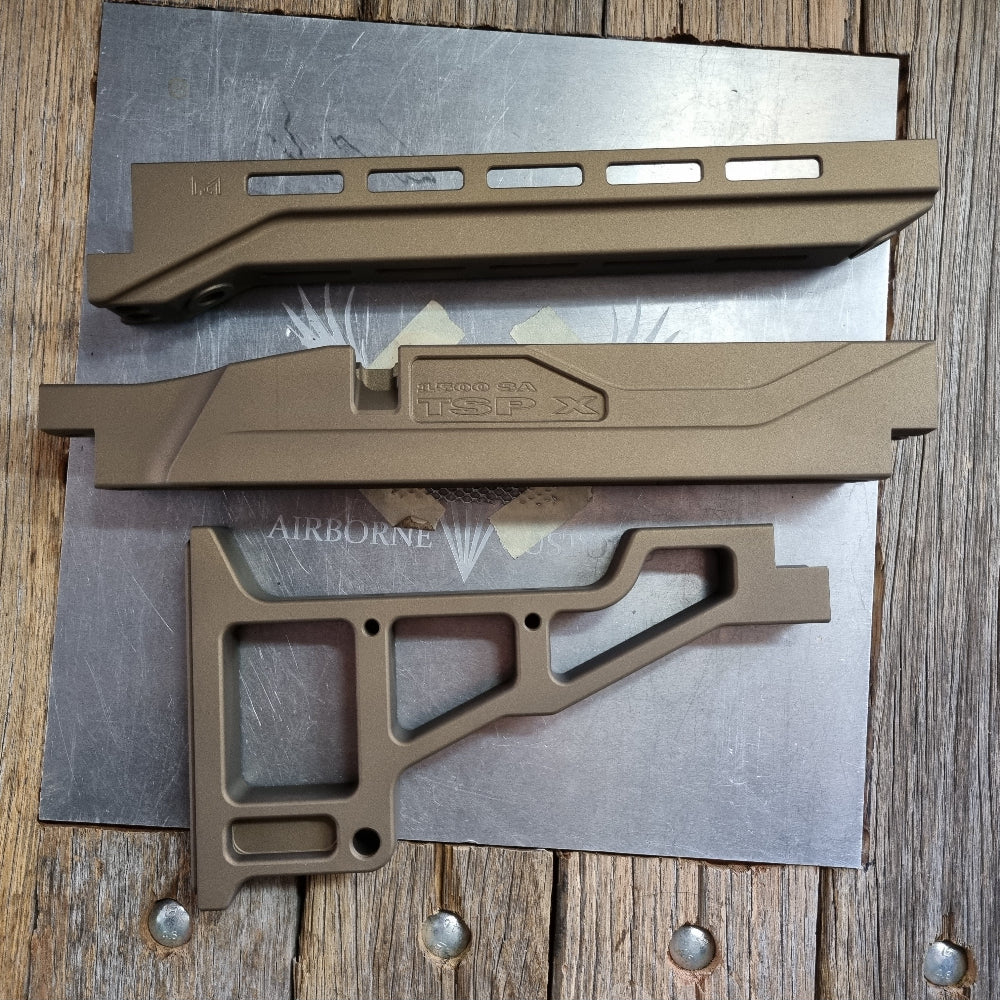
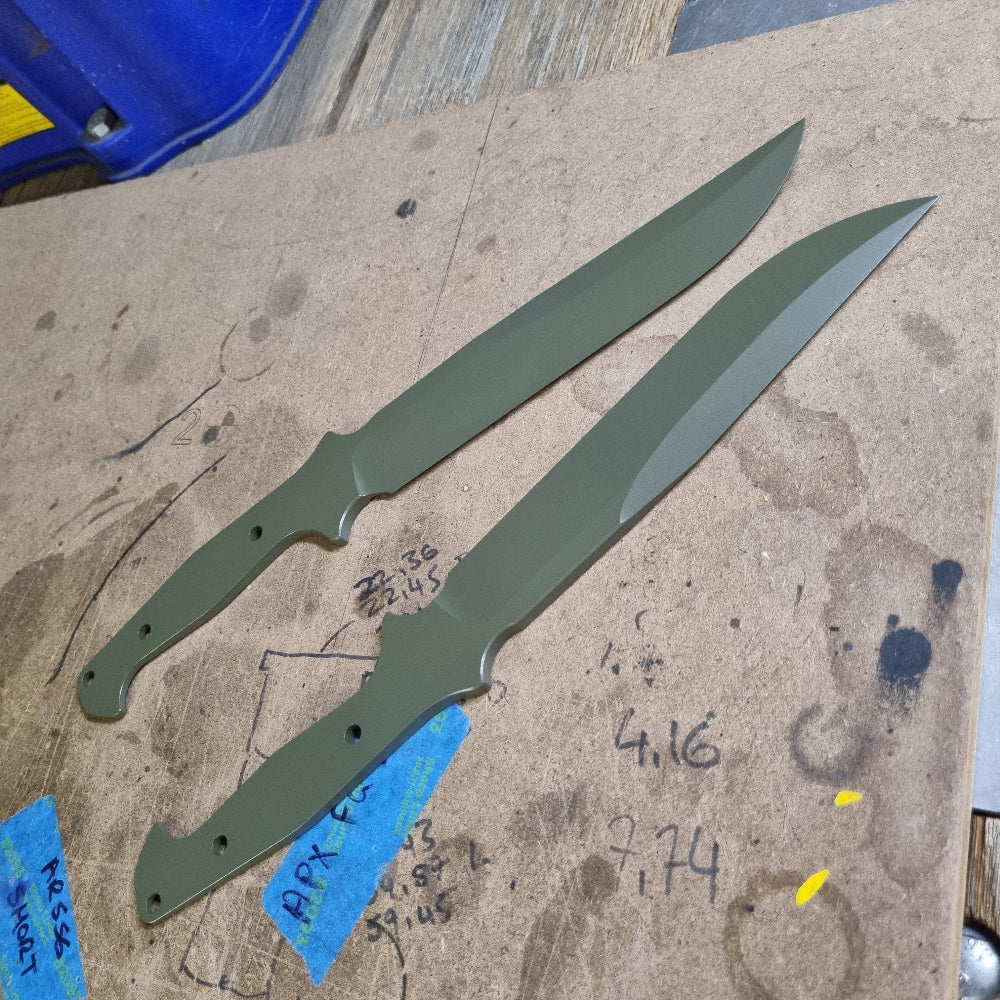
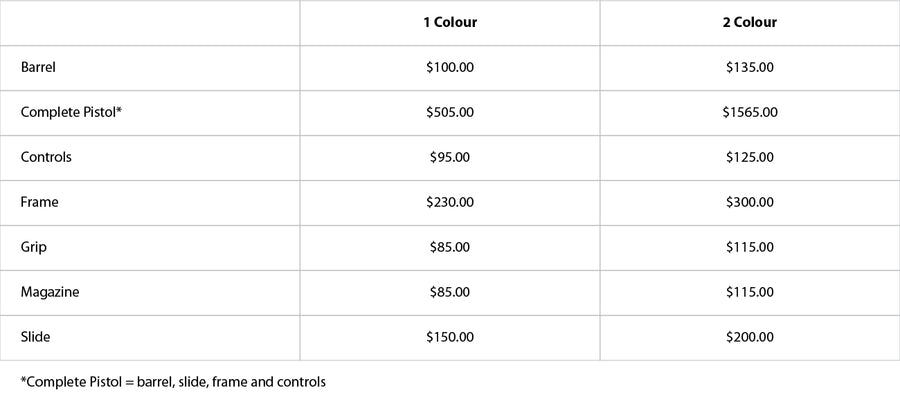
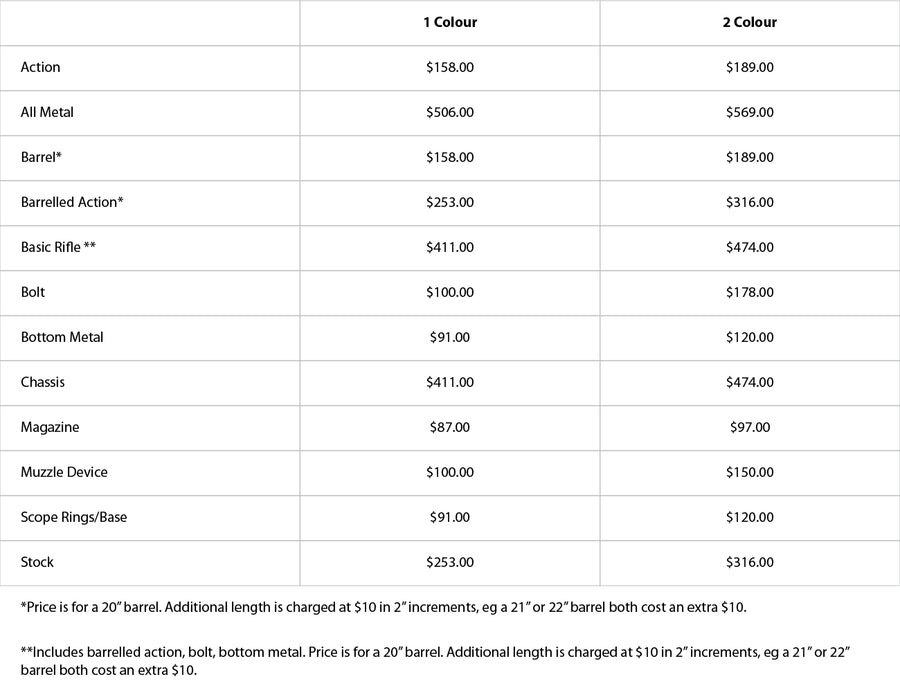
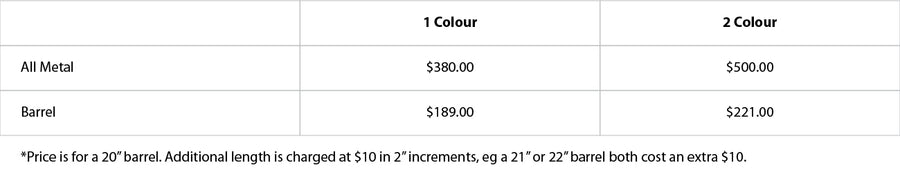
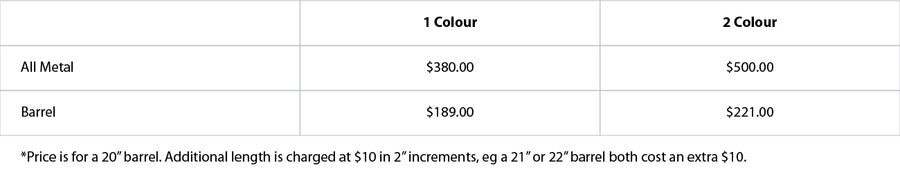
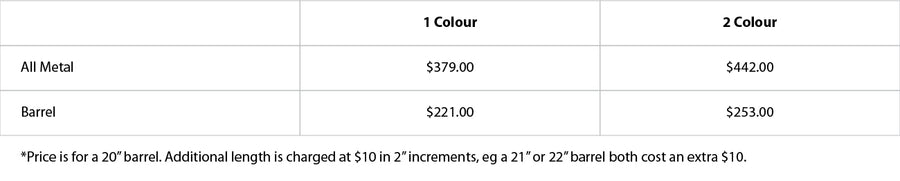
Cerakote is a polymer-ceramic coating available in a wide range of colours, offers industry-leading performance and can be applied to most materials. Starting prices for Cerakote work are provided below, potential shipping costs are not included. We’re currently not doing stencil-based patterns/camouflage.
If you’d like more information on Cerakote, please check the FAQ below. Contact us for more information or to request a quote.
Cerakote
Price Lists
Handgun, Pistol
Handgun, Revolver

Rifle, Bolt Action
Rifle, Lever Action
Shotgun, Pump Action
Shotgun, Over/Under
FAQs
What is Cerakote?
Cerakote is a polymer-ceramic coating available in a wide range of colours that offers industry-leading durability, hardness, scratch resistance, corrosion resistance, flexibility, heat and chemical resistance. Cerakote can be applied to most materials, including plastics, metals, polymers, composites, hydrographics and PVD.
What's the difference between different types of Cerakote?
The simple answer is colour options and specialisation. You could sift through numerous technical-data documents, but even then it’s messy. The above description of Cerakote (“What is Cerakote”) remains true for all of their products – they’re incredibly resilient.
H-Series is Cerakote’s primary product, offering the greatest number of colours (135 at time of writing) while providing the benefits you’d expect. Once you move outside of H-Series, the number of colours diminishes and benefits become more specialised.
E-Series provides a thinner coating (0.6-1.1 mil) compared to H-Series (generally 1-2 mil), greater corrosion resistance (double that of H-Series) and greater impact resistance. However, this comes at the cost of fewer colours (17 at time of writing).
C-series (includes ‘Glacier’) is a mixed bag that’s hard to summarise due to incomplete technical data. Generally, C-Series is what you choose when you need extreme heat tolerance (up to 1000°C). However, this is not true for all C-Series coatings, with some being less heat tolerant than H and E-Series coatings. For those options that are good at extreme temperatures, you have 25 colours to choose from.
Micro Slick (P109 and C110) is a dry-film lubricant that aids in the shedding of oil and tolerates high temperatures (648°C). C110’s performance is on par with E-Series when it comes to hardness, flexibility and impact resistance. P109’s performance is slightly worse for hardness, but still scores highly. Unfortunately, incomplete technical data means we don’t know how either performs with regard to corrosion and chemical resistance.
Finally, Gen-II-NiR provides visual- and near-infrared-signature (not thermal) management. However, its use is only available to government and law-enforcement agencies. Therefore, we can only acquire it from Cerakote alongside a government contract for its use.
If you’d like more detailed information, please check the technical-data sheets on Cerakote’s website (https://www.cerakote.com/resources/documents) or contact us for more information.
What's the thickness of Cerakote?
It depends on the type of Cerakote you want applied and how many layers are required to achieve the effect you’re after. Although Cerakote is relatively thin, the tolerance accepted by some products is unforgiving.
The recommended thickness of Cerakote varies between series (eg. H or E-Series) and can vary within series. Although H190 Armour Black (1-2 mil) and H244 Bazooka Pink (2-3 mil) are both H Series, their recommended thickness is not the same.
Furthermore, how many layers does your job require? If you want an SCSA Taipan coated in H146 Graphite Black (1-2 mil) and FX105 Mystique (0.25-0.5 mil) for a colour-shifting pearlescent look, you’re working with multiple coatings that have their own recommended thickness. The resulting finish will be 1.25-2.5 mil thick.
If tolerances are a concern, E-Series is your best bet, providing a 0.6 – 1.1 mil thickness across the entire series.